
京东
GT Voice: Backlash against US export licensing shows futility of containing China_我的网站

A |
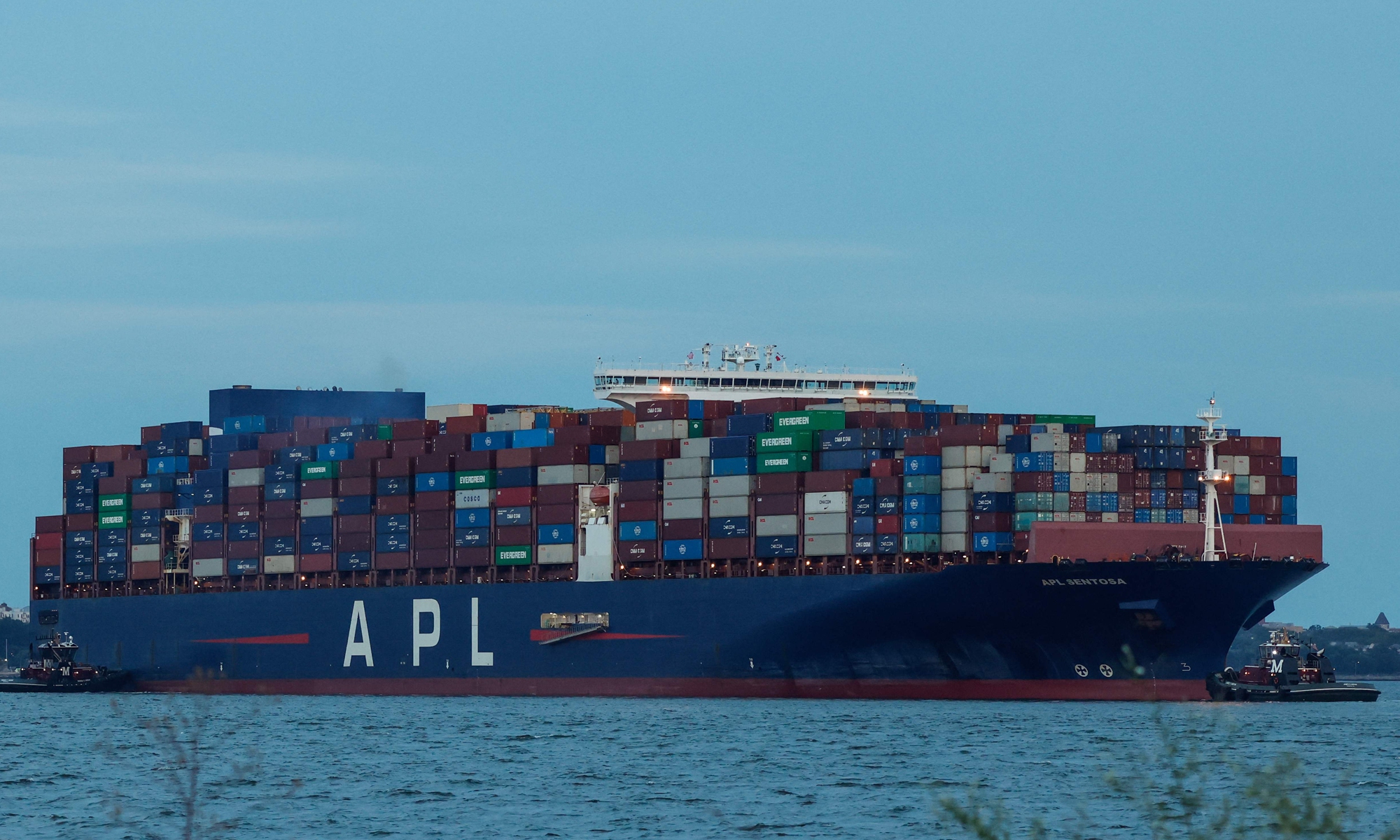
Months-long American export license delays are costing the US billions in exports and eroding American market share globally, the US-China Business Council (USCBC) said in a flash survey released on Tuesday.
The survey noted that poorly calibrated US export controls weaken American companies in China, ceding market share to foreign competitors while reducing the profits available for research and development (R&D).
Designed originally to safeguard national security and serve legitimate foreign policy interests, the US export licensing system has become increasingly politicized, gradually turning into a political tool that obstructs normal economic and trade exchanges. The USCBC survey serves as a stark reminder of how such overreach has backfired on American companies.
In recent years, US politicians have clung to the misplaced belief that restricting exports of advanced goods and core technologies would slow the upgrading of China's tech industry and secure America's technological supremacy. Yet, they overestimated their leverage, while grossly underestimating the developmental resilience that China has built over decades of growth.
Today's China is no longer a passive follower or technology importer. Instead, it has grown into a robust innovation powerhouse with complete industrial chains and strong endogenous driving forces in numerous key technological sectors. Rather than stifling China's technological progress, America's escalating containment measures have only forced China to accelerate industrial upgrading and supply chain optimization.
In the meantime, while US politicians have been indulging in the illusion of building a "tech wall" through licensing restrictions, the self-inflicted damage to the US has grown increasingly impossible to ignore. Reuters reported in August 2025 that thousands of license applications by US companies to export goods and technology around the globe, including to China, were in limbo because turmoil at the agency in charge of approving them had left it nearly paralyzed.
The USCBC survey also listed license delays as the most common challenge identified by 95 percent of companies. For items bound for Chinese customers, two-thirds of companies have had licenses pending for at least three months, exceeding the US Commerce Department's statutory requirements to process applications within 90 days, and 31 percent have had licenses pending for one to two years.
As a result, American tech companies can only watch helplessly as orders that once belonged to them flow to suppliers in other countries. These licensing delays not only impose administrative costs far exceeding expectations, but also severely disrupt normal cross‑border commerce. From semiconductor components to high‑end industrial materials, and from aerospace ancillary products to cutting‑edge research instruments, countless routine trade transactions have been artificially severed. The market advantages that US firms took years to forge is being eroded by the very policies meant to protect them.
From a deeper economic perspective, the export licensing system is particularly lethal to America's innovation ecosystem. Usually, companies allocate a significant portion of their revenue to R&D and technological innovation. However, if the products resulting from these investments cannot be sold in a major market, investment returns will be affected, and the incentive for companies to continue investing in innovation will be undermined. As underscored by the USCBC survey, the export licensing regime diminishes America's ability to innovate and undermines US economic security.
In trying to contain China's industrial rise, the US has ended up undermining its own interests, laying bare the fundamental divide between two development paths. On one hand, the US attempts to fragment global industrial chains through administrative intervention, trade barriers and technological "decoupling" to sustain its dominant position. Yet, such obstructive practices only undermine the competitiveness of domestic industries and weaken America's own innovative vitality.
On the other side, China adheres to high-standard opening-up and win-win cooperation. By continuously opening its vast domestic market and providing foreign companies with a stable business environment, China has built a mutually beneficial global industrial collaboration network. China understands that genuine competitiveness comes from sustained independent innovation, sophisticated industrial supporting systems and market vitality. Precisely because China has chosen to expand openness and deepen cooperation, it has demonstrated remarkable resilience in the face of external containment and constructed a globally integrated supply network.
。
阿里云优惠券 先领券再下单 前言 这个月我卖掉了做了5年的站长网。

B | 前身的是个人的博客,维护了五年,慢慢变成了一个站长平台。从一开始的日100多流量,到后面的日8000流量,也算是一个过程。

C | 想来熟悉的人,肯定通过百度搜索收到我的网站过。因为有很多的程序使用教程我都排在前三。 站长网的盈利点 我最开始使用的是WP做个人博客,本来想写写东西自己做笔记什么的,那时候DZQ刚好宣传,就转到了DZQ,后来发现DZQ根本没法SEO,又换成了WP。详细可以看这篇文章:《没有SEO的DiscuzQ 值不值得站长选择?》 换回WP后,排名和关键词都开始变多了。一开始用的Justnews,在到后来的春哥的7b2主题。B2主题我使用的最久。

D | 一用就是4年。 盈利点的演变过程 最开始的文字广告位、源码下载、和一些主题销售返佣分成、个别文章的底部文章广告。
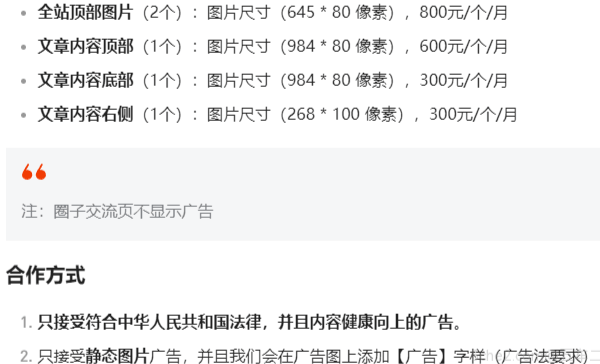
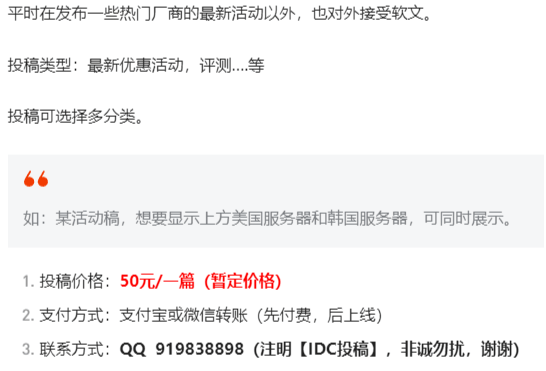

E | 定价为800元一月。只需要两家广告主投放即可。 文章内页图片广告位,为1800一季度,是一个IDC厂商在投放。

F | 加上其他的一些外链收入和资源下载收入,每个月也有稳定的3000元。 为什么卖掉网站? 这个事情还得从2月份与4月份搜索引擎降权说起。虽然后来流量也回来了,不过确实没有信息和动力来完成之前所制定的计划。 加上流量的下滑,广告主们也弃我而去。收入也只剩aff推广和外链。


G | 运营在网站建设中的比重 当你SEO做到一定程度,已再无上升空间,并且也获得了流量。 那么运营其实在整个网站中占比应当为80%,剩下20%为日常网站更新工作。 为什么我要说让运营占据网站主导? 这在运营里有三个专业术语:拉新、留存、促活 通俗点就是,垃新人,让他留下来,让他活跃起来。这个比较偏社区,好在B2主题有自带的社区功能。

H | 所以我在投稿社区问答的积分上做了一些功夫。 如:投稿现金奖励,积分奖励,积分兑换.....并且还学习4414站长论坛进行了签到积分换现金提现......等一系列操作。 当然实验的结果不是很好。没有做到长期维持运营的状态。 总结 做了这么多年的网站,手里的站基本都是难逃被出售的命运。 对于站长网,我付出了5年精力,最后也就换来5位数的价格抛售。

I | 当前的市场环境也只能这个价格。不过在这个过程中,也积累了不少东西。 其实这些东西很多博主和网友都有过经验分享。奈何我拧,我老是想自己走一走这些弯路。弯路是走了,时间也浪费了。 不过这种精神还是有可取之处 本文由2号站长网原创,转载请注明出处:https://www.zz2zz.com/332287.html
申请创业报道,分享创业好点子。

J | 点击此处,共同探讨创业新机遇!。

K |
Current article:http://5hv.tuncuansazhuandengqiaofen.bond/news/20260826_3908.html
Published on:04:22:12
栏目相关
- 山水中邂逅公益体彩 福建体彩草地嘉年华燃动夏日之夜
- 正式官宣!4.46亿豪赌完成,东契奇首度表态,湖人彻底改朝换代
- 国资委:加快培养可控核聚变人才,深入推进“聚变+AI”融合创新
- 16th/16s/16s Pro顺利上车 魅族公布第三批免费换电池机型名单_焕新_用户
- 专访台湾编剧何昕明:创作很孤独,所以要打团体战
- 外交部发言人回应YouTube将下架“港独歌曲”
- 德国特斯拉工厂遭大规模袭击,数百人与警察扭打一起,场面十分混乱
- 直播预告丨9月14日 “大美湖南·世界看见”湖南政协助推文旅发展成果展示会将在长沙举行_王诗颖_省政协
- 拼多多弱付费玩法的3个步骤
- 抱歉 Halo,但 细胞分裂3:混沌理论 才是初代 Xbox 上的最佳游戏。
- 福州仓山:七夕乞巧承古韵 家风润心传文明
- 兴城部署清明节和“五一”期间森林防灭火工作
热门排行
- 友人に10人分の弁当を頼まれた→朝一気に作っていくと…… 圧巻の光景に「これはプロ」「す、すごい」「私も注文したい」
- 开封的墨里精品民宿团购
- 彩票公益金深耕革命老区 小布古镇焕发红旅新活力
- 이 대통령 “수색·구조에 총력” 긴급지시…정부, 신속대응팀 파견
- 「もう別人」「一体何が…」2度目の離婚から1カ月〝激変〟IZAMの最新姿に騒然「びっくりした」「これからの活動も楽しみ」「いつまでも素敵」
- 新加坡教育部点名表扬!南洋理工学院和莱佛士女中学生,为何这么优秀?
- As UK's Johnson Teeters On The Edge, Here Are The Top Contenders To Succeed As Next Tory PM
- China's South-to-North Water Diversion middle route delivers over 80 billion cubic meters, benefiting nearly 118 million
- 马斯克在对Cursor员工的讲话中承认:Grok在人工智能竞赛中落后
- 做饭不想动手调档?2026年7月AI智能控烟油烟机推荐清单
- 中金财富期货:上行弹性受制于淡季需求的疲弱表现,铝价大概率维持高位区间震荡
- 全市规划资源系统迎战强降雨做好地灾防范